



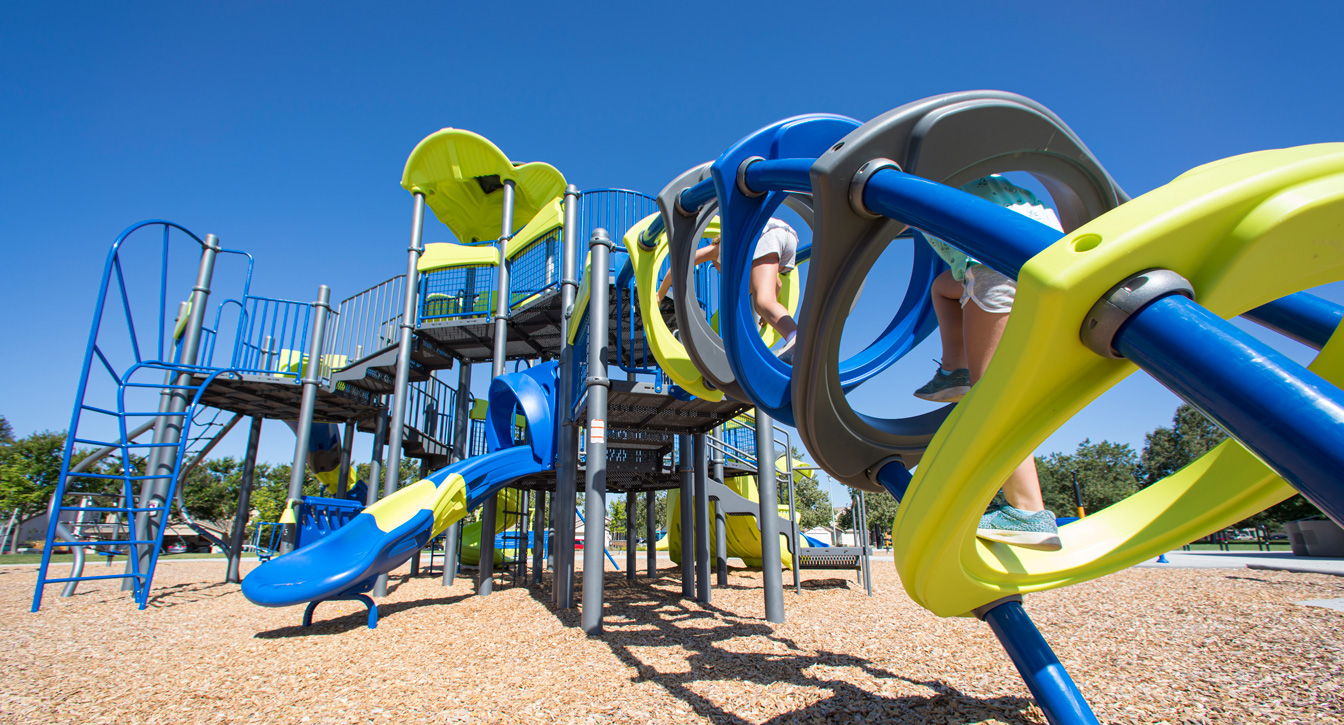


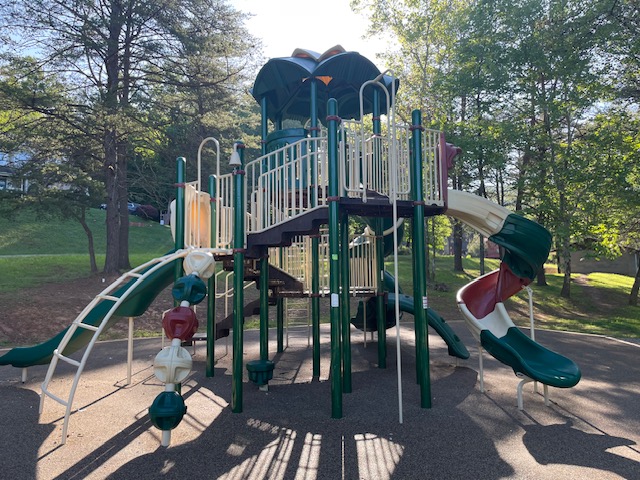
Kids are fearless on the playground. Some of this fearlessness comes from a sense of adventure. Some of it comes from high energy levels. Some of it comes from the invincibility complex we all had in our younger years. This fearlessness is a normal part of childhood, but it’s also why playground cleaning is so important.
High-touch surfaces like handrails, swing seats, and slide ladders are prime real estate for germs. Surfaces in shared outdoor environments can harbor bacteria, viruses, and other pathogens transferred easily through hand contact. When kids are brought into the equation, that possibility might as well become a probability.
Beyond health, keeping playgrounds clean is also a matter of safety and compliance. Many municipalities, school districts, and park authorities have specific maintenance and sanitation standards facilities are expected to meet.
Did You Know?
- Playground equipment can harbor cold and flu viruses for up to 24 hours on hard surfaces.
- Studies suggest children touch their faces an average of 23 times per hour, making hand-to-surface germ transfer a significant concern.
- The CDC recommends regular cleaning and disinfection of frequently touched surfaces in shared community spaces.
- Dirty or debris-covered playground surfacing can conceal hazards that lead to injuries.
How Often Should You Clean a Playground?
Here’s a common question among facility managers: How often should playground cleaning actually happen? The honest answer is, more often than you might think. The frequency should vary based on what you’re cleaning and how heavily the playground is used. A solid schedule breaks down into three tiers:
Daily cleaning
Focus daily attention on high-touch, high-traffic areas. This includes handrails, swing chains, steering wheels, and any enclosed spaces like tunnels or playhouses where debris and germs collect quickly. Pay special attention to any sensory equipment that’s designed to be touched (those big tic-tac-toe panels, anyone?). This is especially critical at schools and daycares where the same children return daily.
Weekly cleaning
Once a week, expand your scope to include a full equipment cleaning. Wash down all surfaces with appropriate cleaning solutions. Weekly cleanings are also a great opportunity to remove trash, check safety surfacing, and note any wear or damage that needs fixing.
Monthly deep cleaning
Every month, you should clean joints, bolts, hardware, and any other nooks and crannies that accumulate grime over time. Otherwise, the playground begins to look noticeably dirty over time (because it is dirty, even if you clean the main surfaces). For more details on seasonal inspection best practices, check out our blog: Seasonal Playground Inspection Tips for Facility Staff.
Best Playground Cleaning Supplies
When thinking about how to clean playground equipment safely and effectively, keep these supply guidelines in mind:
Go-to cleaning supplies:
- Mild soap and water: For routine cleaning, a diluted mild soap solution is effective at removing dirt, grime, and surface contaminants without posing any risk to children or equipment.
- Child-safe, non-toxic disinfectants: For deeper playground sanitization, look for EPA-registered disinfectants labeled safe for use in child environments.
- Soft-bristle brushes and microfiber cloths: These allow you to clean effectively without scratching painted surfaces, plastics, or powder-coated metals.
- Bucket and hose or pressure washer (low setting): A gentle rinse goes a long way. Avoid high pressure on painted or coated surfaces.
What to avoid:
- Bleach and harsh chemical disinfectants: Undiluted bleach can corrode metal components and degrade rubber and plastic surfaces. More importantly, it’s a skin irritant for children who contact residue.
- Abrasive scrubbers or steel wool: These scratch protective finishes, creating rough surfaces that collect more dirt and bacteria over time.
- Strong solvents or acetone-based cleaners: These can strip paint and damage plastic or composite materials common in commercial playground equipment.
Step-by-Step Playground Cleaning Checklist
Having a consistent process ensures everything gets cleaned every time. This practical cleaning checklist will help:
- Remove debris: Walk the whole playground area. Pick up trash, remove fallen leaves, and check for foreign objects like glass or sharp items. Don’t forget to check the safety surfacing and underneath equipment. Things can be difficult to spot if your playground has mulch.
- Wash all surfaces: Using mild soap and a soft brush or cloth, wash down slides, swings, rails, climbing walls, and platforms. We’ve found that working top to bottom helps us get every piece of equipment.
- Disinfect high-touch areas: Apply child-safe disinfectant to handrails, swing chains, steering wheels, and other high-contact points.
- Rinse thoroughly: Rinse all surfaces with clean water to remove any soap or product residue. This step is especially important if children will use the equipment shortly after.
- Dry equipment: If possible, allow equipment to air dry before use. Wet surfaces can be slippery.
- Inspect during cleaning: Cleaning time is prime time to spot wear and damage. Look for cracks, rust, loose bolts, or sharp edges. Log and report any concerns promptly.
Pro tip: Sanitization doesn’t have to happen after every single session, but high-touch areas should be disinfected at minimum once a week. Increase that frequency during cold and flu season.
Common Playground Sanitization Mistakes to Avoid
Cleaning routines can fall short, despite your best intentions. So what are the missteps when it comes to how to clean playground equipment? How do you steer clear of them?
Using bleach or harsh chemicals undiluted
We mentioned this one earlier, but its importance can’t be overstated: Undiluted bleach and industrial-strength chemicals can corrode metal fasteners, break down plastic surfaces, and even cause skin irritation. Always check product instructions and dilute appropriately.
Not following a consistent schedule
Sporadic cleaning is no match for a consistent routine. Germ buildup, debris accumulation, and equipment degradation don’t take days off, so staying on top of cleaning is the only way to keep them at bay.
Ignoring playground surfacing
The ground beneath the equipment deserves as much attention as the equipment itself. Mulch, rubber, and engineered wood fiber can accumulate trash, organic debris, and even animal waste over time. Rake and inspect surfacing regularly as part of your playground sanitization routine.
Eco-Friendly Playground Cleaning Tips
Taking care of a playground doesn’t have to come at the expense of the environment. Eco-friendly cleaning practices are increasingly popular, with plenty of benefits. It all comes down to changing up your purchases, not your processes.
- Use green-certified cleaning products: Look for products with EPA Safer Choice certification or similar third-party green certifications. These minimize environmental and health impacts.
- Reduce water waste: Use buckets and targeted rinsing rather than free-running hoses. Mindful water use is especially important in areas with drought concerns.
- Choose biodegradable formulas: Many eco-friendly cleaning concentrates break down naturally without contaminating nearby soil or water.
- Avoid single-use plastics: Use refillable spray bottles and cleaning containers. It’s a small change that adds up over a year of consistent cleaning.
- Select solutions safe for children and the environment: Products made from plant-based ingredients are increasingly powerful, and gentler on both the equipment and the kids who use it.
Metro Recreation is fully aligned with this kind of thoughtful stewardship. The playgrounds we install are built to last, and how to clean playground equipment responsibly is a big part of making sure they do.
Keep It Clean!
Playgrounds are where childhood memories are made! They’re where kids build confidence, make friends, and let their imaginations run wild. All of that is only possible when the space is safe and clean.
Playground cleaning and sanitization aren’t glamorous tasks, but they’re essential ones. A consistent cleaning schedule, the right products, and attention to detail all add up to a playground that serves your community well for years to come.
And don’t forget: Cleaning and inspections go hand-in-hand. Catching problems early during your cleaning routine means less downtime, fewer costly repairs, and most importantly, fewer risks for the kids in your care. For a playground inspection that perfectly complements your cleaning routine, Metro Recreation is ready. Reach out and we’ll step in.